Why I Chose to Go to book180
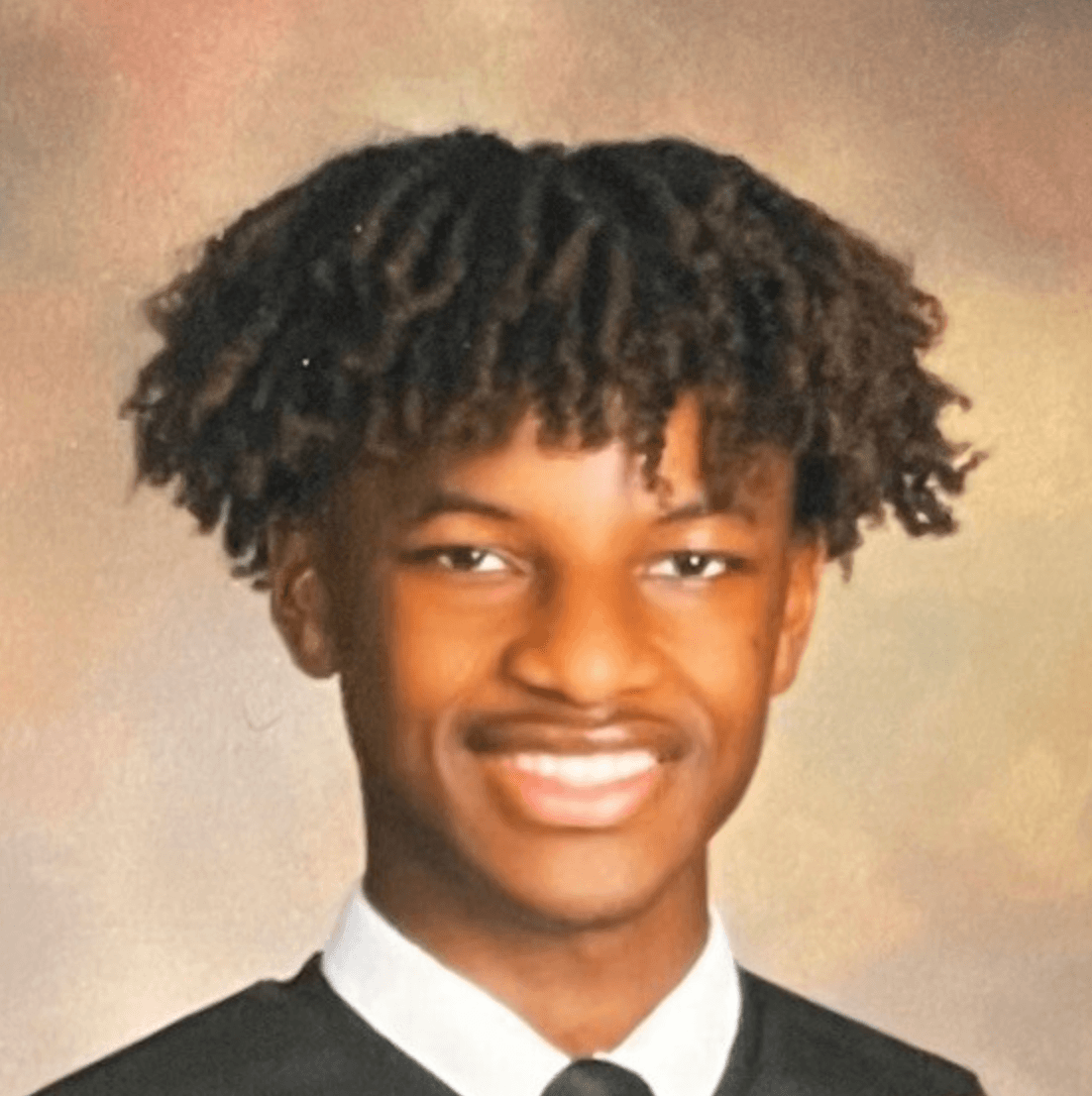
Tyler Best always knew how to make work look good. He wanted to learn how to make people feel something. Here, the BU graphic design grad shares how book180 is helping him turn his visual skills into an advertising portfolio built on insight, strategy, and art direction.

Tyler Best is a multidisciplinary graphic designer, art director, and co-founder of the luxury rainwear brand Regal Rain. A May 2026 graduate of Boston University’s College of Fine Arts and an alum of the BLAC Internship Program, he explores the intersection of fashion, culture, and human insight through visual storytelling, brand experiences, and creative direction. He is currently honing his advertising portfolio at book180.
What happens when you know how to make something look good, but want to know how to make people feel something?
That question has followed me through my transition from graphic design to advertising. I've always been interested in the thinking behind the things we create: the stories, cultural references, and human connections that make an idea resonate. Although my background is in graphic design, I've never approached my work as someone solely interested in making things look good. There was always a bigger idea somewhere in the process. I just hadn't figured out how to bring it to the forefront.
I graduated from Boston University in May 2026 with a BFA in Graphic Design. During my time there, I developed a strong visual foundation and began finding my creative voice. But between studying abroad in Venice, working on different creative projects, and exploring new perspectives, I started thinking more about what existed beyond the final design.
I remember one of my professors suggesting that I explore art direction. At the time, it wasn't something I had seriously considered. I didn't know enough about the discipline to understand what that could look like for me. But the suggestion stuck. Looking back, I think it was something inherent in how I approached creative work. I just hadn't developed the language or framework to identify it.
That realization continued to develop through my work with Regal Rain and my participation in BLAC, where I began exploring brand strategy, storytelling, and the larger worlds that can exist around a brand. I became increasingly interested in how creative ideas could extend beyond individual designs and become something more interconnected.
The gap became especially apparent after graduation.
My graphic design portfolio showcased my abilities, but it wasn't necessarily communicating everything I wanted to do. I had experience with typography, bookmaking, motion graphics, and visual communication, but I hadn't learned how to translate those skills into the kind of advertising work agencies were looking for.
I started learning about advertising books, 360 campaigns, creative briefs, consumer insights, and the importance of identifying a human motivation behind an idea. I hadn't spent much time developing work around a strategic problem or translating one idea across different executions, from social advertising and out-of-home to print and experiential.
It wasn't that I lacked creative ideas. I needed to learn how to position them, develop them, and communicate their potential.
After graduating, I gave myself some time to “decompress.” (My mom probably thinks I got a little too much more mileage out of that word.) I wanted to step back from the pace of college and evaluate what I wanted the next chapter of my career to look like.
I considered applying directly to agencies, freelancing, or going to a traditional portfolio school. But I knew I didn't want to spend another two years at an ad school. What I needed was focused time to develop my portfolio and strengthen the skills that would help me enter the industry with confidence.
That's where book180 came in.
I initially heard about the program through its scholarship opportunity for BLAC alumni. After attending the BLAC career fair in August and participating in portfolio reviews, I connected with Sarah from book180. One thing she said really stuck with me: imagine having six months to focus entirely on your work.
That was exactly what I needed. Throughout college, my attention was constantly divided between classes, projects, and extracurriculars. Six months of concentrated development felt like an opportunity to finally bring everything together.
Now, two months into the program, one of my biggest takeaways has been that depth and brevity can coexist.
I've always wanted to understand the science behind things: why something works, how it communicates, and what makes it connect with people. Sometimes that translates into wanting to explain absolutely everything. But advertising has challenged me to think differently.
A strong insight doesn't need several paragraphs of explanation. Sometimes the most powerful thing you can do is identify the central human truth, bring it forward, and let the idea speak for itself.
I've also started looking at creative work through a broader lens. In graphic design, I thought strategically about composition, typography, hierarchy, and visual experience. Now, I'm thinking about how an entire campaign works together. What's the idea? Who are we speaking to? What motivates them? And how can that idea translate into something people experience, respond to, and remember?
My Insights and Culture class has been particularly influential in developing that perspective. Learning to recognize connections between cultural movements, consumer behavior, and creative opportunities has made approaching a brief feel increasingly natural.
One experience that challenged me was analyzing Ralph Lauren's campaign in Oak Bluffs in collaboration with Morehouse and Spelman. Initially, I was drawn to it because it brought together so many things I love: fashion, Black culture, storytelling, and heritage. But through critique, I was challenged to look beyond my initial excitement. How were these institutions being represented? Was the campaign genuinely creating a platform for these communities? What was the larger relationship between the brand and the culture it was engaging with?
It reminded me that being passionate about an idea doesn't mean you shouldn't question it. Sometimes you have to take apart something you love, reconsider your perspective, and find a stronger way forward. That's the kind of constructive criticism I want to be surrounded by.
Despite being an online ad school, the program has felt surprisingly connected. Learning from instructors with different professional backgrounds and collaborating with classmates have made the experience engaging. Its six-month structure also allows me to continue working and pursuing other creative projects while developing my craft.
When the program wraps up in April, I want to be a more holistic creative. Someone who can take an insight and turn it into an idea that resonates, communicates, and makes people feel something. I want a portfolio that demonstrates range, particularly at the intersection of advertising, fashion, culture, and experience.
I've always had a visual eye. It's something I've been developing for as long as I can remember. Now, I'm working on developing another one: the art direction eye. The ability to recognize an idea within a conversation, uncover an insight within a cultural moment, and see possibilities that might not be immediately obvious.
I don't think becoming a stronger creative means abandoning everything you've learned before. It's about finding new ways to use it. And for me, book180 has been an opportunity to do exactly that.